The global energy market is undergoing a structural shift: electricity demand is growing more than twice as fast as overall energy demand, and low-carbon sources are becoming the foundation of a new energy model.
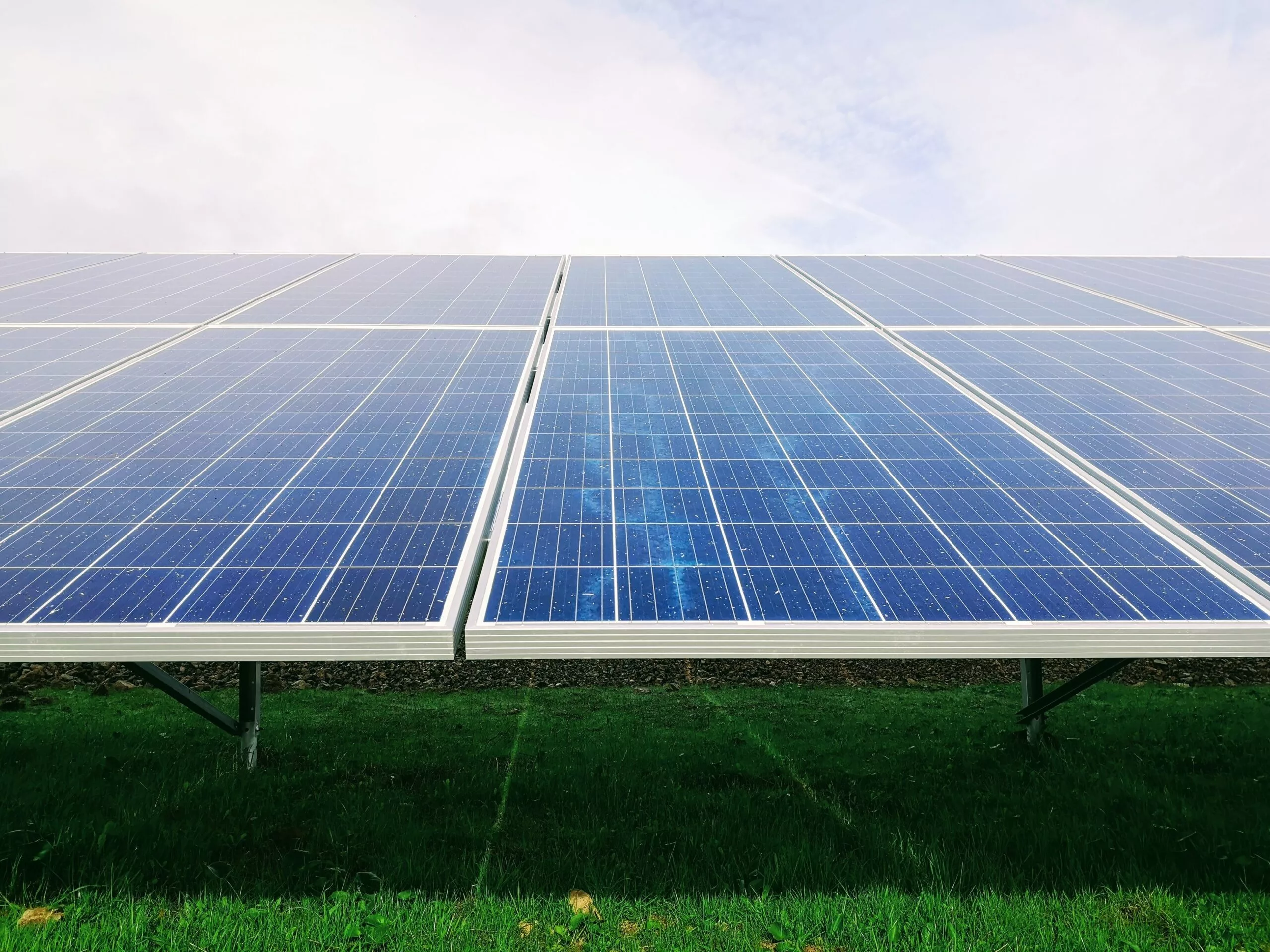
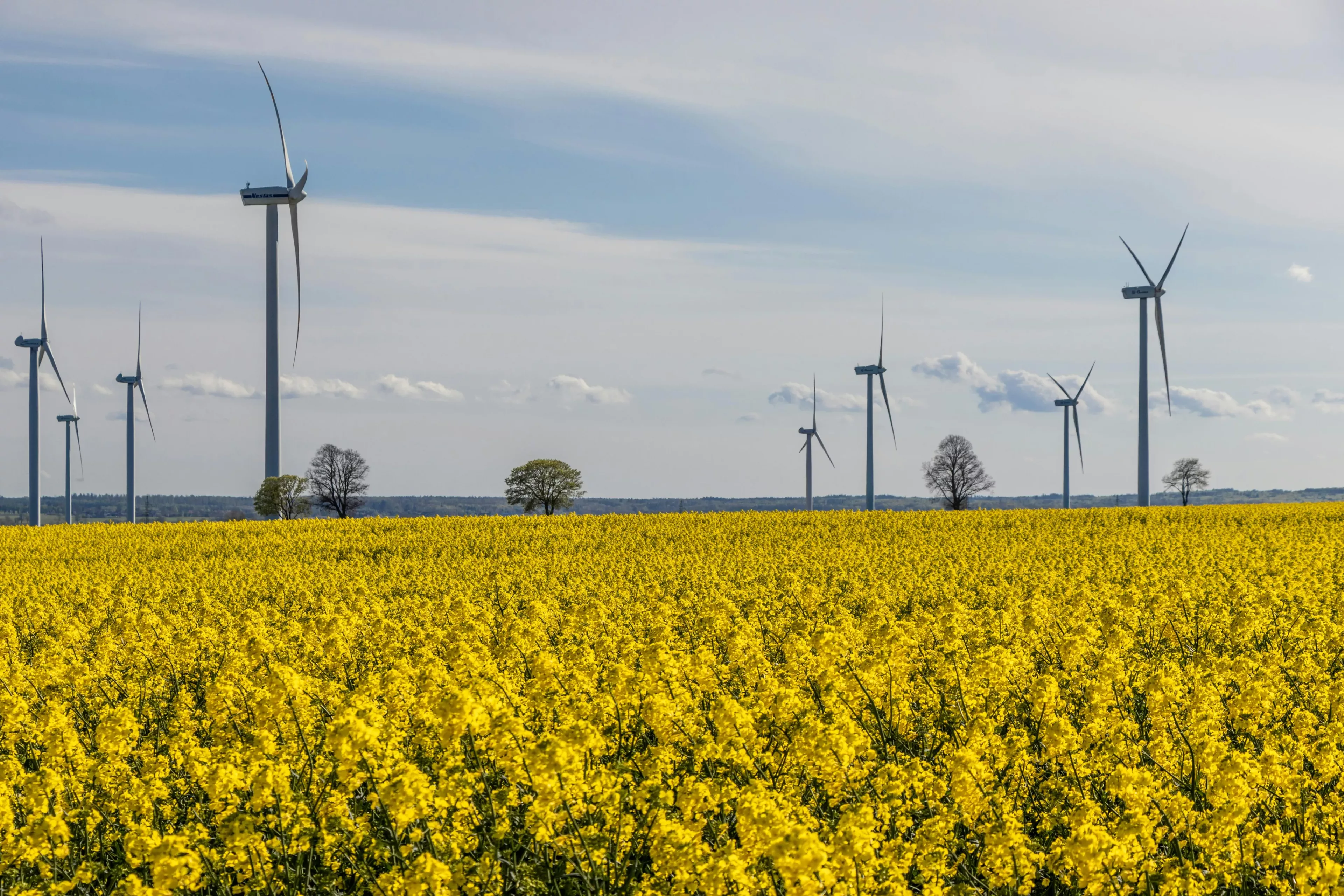
According to international energy agencies, the world has entered the so-called “Age of Electricity”—a period in which electricity is becoming the central resource for industry, transportation, digital infrastructure, and the residential sector. Solar energy already accounts for more than 25% of global growth in consumption, and together with wind and hydroelectric power, it makes up nearly 60% of the new energy mix.
Analysts note that the key drivers of this transition are electromobility, the development of energy storage systems, the digitalization of manufacturing, and growing demand from data centers and AI infrastructure. In many countries, electricity is gradually replacing traditional fuels, becoming the foundation for the decarbonization and modernization of industrial processes.
At the same time, the need to strengthen grid infrastructure is growing. High-voltage substations, transmission and distribution systems, as well as balancing technologies, are becoming critically important for ensuring the stability of power systems. Countries in the EU, the U.S., and Asia are investing in large-scale modernization programs to adapt grids to new loads and integrate renewable sources.
Experts predict that by 2035, the share of electricity in global energy consumption will increase by 50–70%, and the global economy will finally transition to a model where electricity becomes the primary resource for development—as fundamental as oil once was.