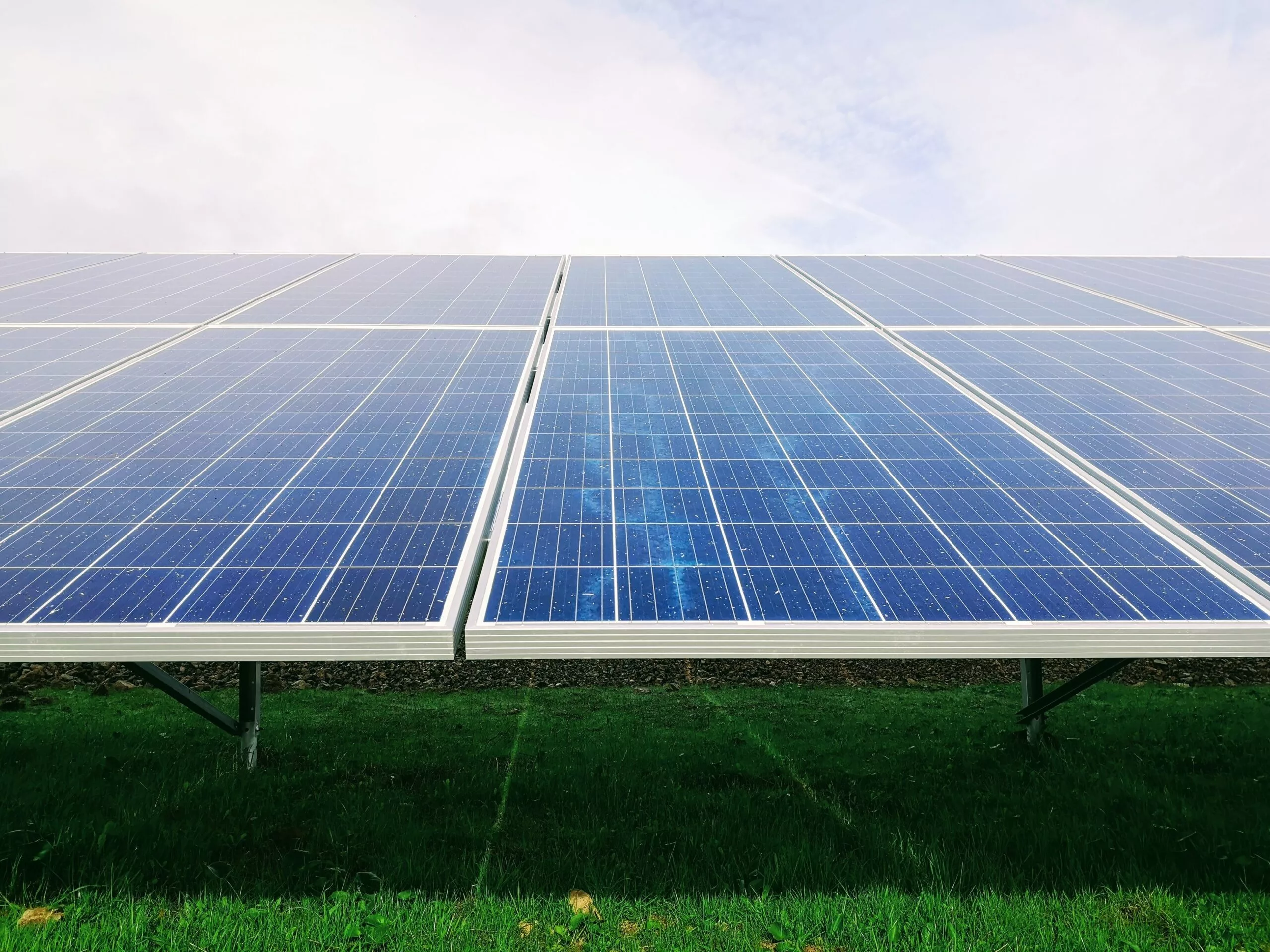
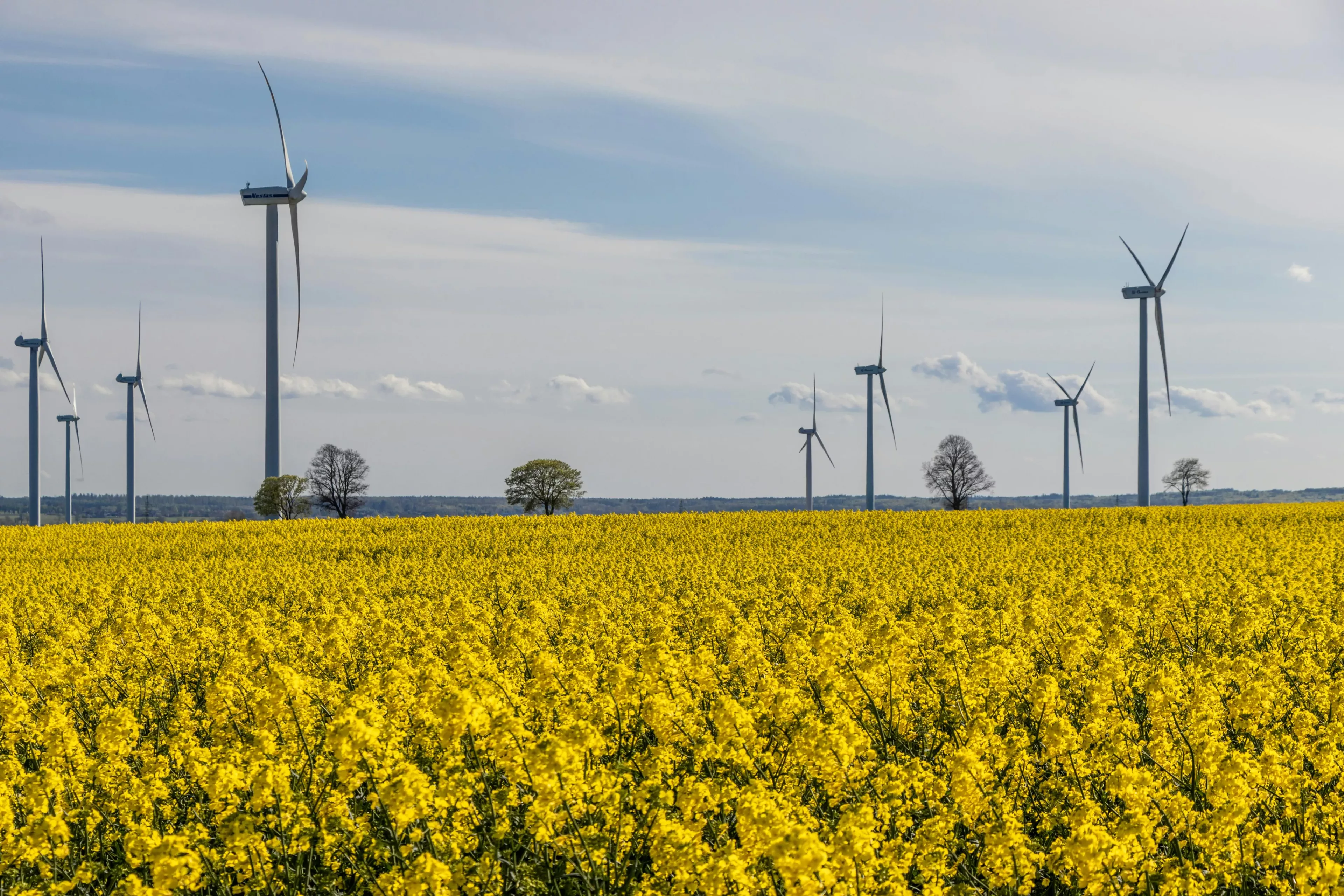

The global energy sector is entering a phase of structural imbalance: traditional energy sources are experiencing an oversupply, while transition technologies are facing infrastructure constraints and regulatory barriers.
According to international energy analysts, the oil and gas market will be in a state of relative surplus by 2026. Countries in the Middle East, the United States, and certain regions of Asia are ramping up production, which is stabilizing prices and creating a short-term sense of energy security. At the same time, demand for fossil fuels is growing in developing countries, where the infrastructure for renewable energy is not yet ready for large-scale integration.
Meanwhile, energy transition technologies—solar and wind power generation, energy storage systems, and electromobility—face a number of challenges. In many regions, power grids are unable to accommodate large volumes of new generation capacity due to limited transmission capacity, outdated substations, and insufficient automation. This leads to delays in connecting new facilities, increased project costs, and a slowdown in the pace of decarbonization.
Regulatory barriers also play a significant role. In some countries, the approval and licensing processes for renewable energy sources remain excessively lengthy, and energy storage markets still lack clear operating rules. As a result, investors are forced to balance between quick returns in the traditional energy sector and long-term but complex projects in the clean energy sector.
Experts predict that this gap could become a key challenge of the next decade. Without large-scale grid modernization, the development of high-voltage infrastructure, and an update to regulatory policy, the energy transition risks slowing down, and global climate goals could be jeopardized.